

Once, Telugu cinema treated heroes like festival fireworks—big, bold, and seen across streets. He lifted jeeps, hushed rooms with one glance, and closed trouble with a mass moment.
Now stories change. The hero still stands strong, yet he feels human. He fears loss. He makes mistakes. He laughs when he should not and holds family pride and strain. He carries our kind of load. Life does not reset after the interval break for him on screen.
The Rise Of The “Common Man” Hero In Telugu Films
The new Telugu lead isn’t trying to be a statue. He’s trying to be a person you recognise. Audiences changed first—more home viewing, more close-up attention, more stories discussed scene-by-scene online. When you look with focus, swagger loses charm and truth gains value.
Stories now show heroes who lean on grit, humour, and courage to accept fault. They do not always defeat the world. Often, they negotiate with it, learn from it, and grow. It’s slower than a punch, but it feels real.
Also, let’s be honest: “common man” doesn’t mean “boring.” It means the stakes are recognisable. A job on the line. A marriage that needs mending. A parent who’s aging. A kid who’s watching everything. When a protagonist fights for these things, the fight feels personal—even if the film is packed with songs, laughs, and action.
Why Mana Shankara Vara Prasad Garu Feels Right On Time
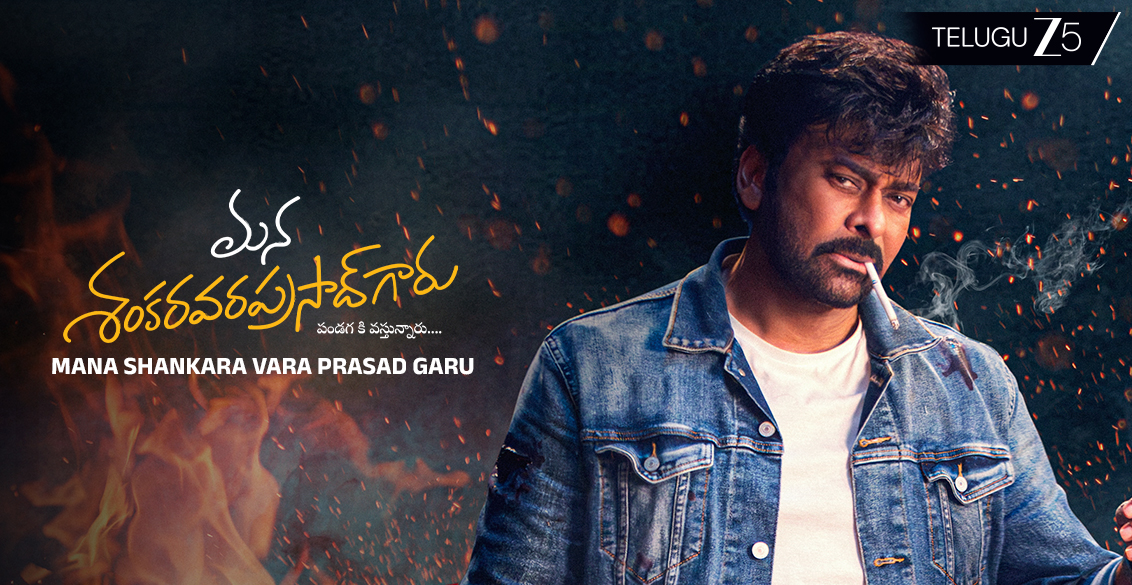
This is where Mana Shankara Vara Prasad Garu slides neatly into the moment. The setup has scale, but the engine is personal. Shankara Vara Prasad, the lead character played by Chiranjeevi, is a security officer who changes his identity just to stay close to his estranged wife and kids—and then a national threat and a rival in love complicate everything.
Even the title signals “relatable.” “Mana” has that inclusive “our” flavour in Telugu. And “Garu” is the respectful honorific you use when you address someone with regard. Put together, it sounds less like a superhero announcement and more like a familiar name called out in a neighbourhood.
That matters because it reflects a wider shift in how Telugu films introduce their leads. Instead of selling only “power,” many recent films sell personality: the man behind the confidence, the family behind the fight, the soft corner behind the swagger.
Ordinary Lives, Big Feelings: Films That Made The Shift Click
If you want proof that humane heroes matter, see the stories fans revisit, where drama lives in decisions, not only action.
Jersey presents itself as a sports film, yet it tells of a father who strives to regain dignity and offer his child faith. Its IMDb score of 8.5 shows how powerfully that emotion connected with viewers
Writer Padmabhushan turns “heroism” into something painfully relatable: a young man chasing a dream, dealing with love, and trying to become someone he can respect.
And Raja Raja Chora is brave enough to keep its lead imperfect—tempted, messy, sometimes selfish—then show what happens when jokes start having consequences.
Notice what these films share: the hero isn’t “born great.” He becomes better (or learns the hard way) in front of us. That journey is the entertainment.
The Telugu Movies On ZEE5 That People Talk About (And Rewatch)
While you wait for Feb 11, build a quick watchlist from the Movies library, the new movies section, and the Telugu movies shelf.
For “big canvas” storytelling, RRR remains a modern crowd-magnet (IMDb 7.8). For mystery-meets-adventure, Karthikeya 2 keeps the pace tight (IMDb 7.8).
For a superhero story that still begins with a very “small village, big responsibility” vibe, Hanu-Man is a blast (IMDb 7.7). And if you like a more inward journey—fear, survival, and self-discovery—Gaami takes a different road.
Now come back to the everyday-emotion zone: Jersey, Writer Padmabhushan, and Raja Raja Chora. These films don’t float above the audience. They stand in the same queue.
Why Middle-Class Characters Move Telugu Audiences
Middle-class life holds drama in deadlines, rent fear, family dreams, and small wins that feel large. Telugu audiences connect with these protagonists because they feel seen—without being pitied.
This also creates better humour. Not sharp punchlines, but life humour—the sort that rises when you feel tired, broke, and still try to do right. When emotion appears, it lands clear since noise does not drown it.
Another point counts: middle-class heroes come with people around them. Neighbours, family, coworkers—those who talk, judge, support, and gossip. That social circle gives weight to every choice. A win brings relief. A loss brings shame. Very real, very Telugu.
Where Mana Shankara Vara Prasad Garu Lands In This New Map
Mana Shankara Vara Prasad Garu arrived on ZEE5 on February 11, 2026, and it delivers more than entertainment. It follows a hero with heart, carrying identity, family ties, and duty through an action-comedy story.
If you’re browsing by mood, you’ll likely find it sitting comfortably among action movies, comedy movies, and the more emotionally forward drama movies.
And maybe that’s the real evolution. The hero can still be larger-than-life—but now, he’s also “one of us,” and that’s why the cheers feel warmer.
Bio of Author: Gayatri Tiwari is an experienced digital strategist and entertainment writer, bringing 20+ years of content expertise to one of India’s largest OTT platforms. She blends industry insight with a passion for cinema to deliver engaging, trustworthy perspectives on movies, TV shows and web series.