


If you’ve ever tried planning your life around a T20 World Cup, you know the routine: you start with good intentions (“I’ll just watch the big games”), and by the end of Week 1 you’re debating whether Nepal vs Italy at 3 PM is “too niche” or “exactly the point.”
This year, the tournament practically dares you to binge—India and Sri Lanka host, the match windows are cleanly stacked, and the calendar is built like a playlist: quick hooks early, heavyweight rivalries mid-week, and a Super Eights stretch designed to make even neutral fans chew their nails.
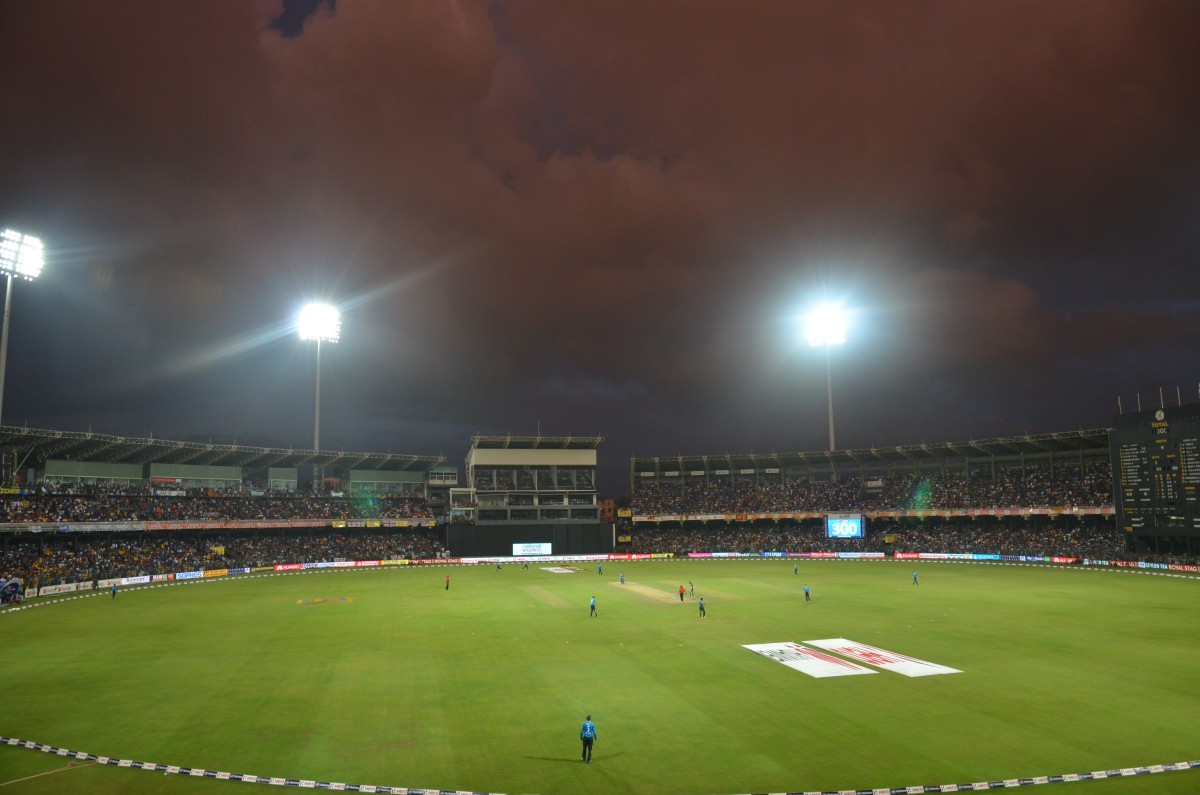
The ICC has confirmed eight venues across India and Sri Lanka—Ahmedabad, Chennai, Delhi, Mumbai, Kolkata, plus Colombo (R. Premadasa and SSC) and Kandy—so the fixtures also double as a mini tour of subcontinent cricketing moods: dry afternoon spinners, humid evening chases, and crowds that don’t “build atmosphere” so much as ignite it.
The Fixture Rhythm: Triple-Headers And Momentum Swings
The schedule leans heavily into three time bands—11:00 AM, 3:00 PM, 7:00 PM (IST)—which is basically the World Cup saying: “Pick a slot… or don’t.”
That structure matters because teams aren’t just playing opponents; they’re playing conditions. A noon start can feel like a different sport compared to a night game with dew and a ball that suddenly behaves like it’s allergic to grip.
Opening Weekend: The Tournament Starts At Full Volume
Day 1 skips any warm up and fires the start. On 7 Feb, fans see: Pakistan vs Netherlands (SSC, Colombo) at 11 AM, West Indies vs Bangladesh (Kolkata) at 3 PM, and India vs USA (Mumbai) at 7 PM.
The opening day brings three tastes: Pakistan power beneath Colombo skies, Caribbean chaos in Kolkata, and India opening match beneath lights in Mumbai. If you’re the kind of fan who likes early “vibes checks,” this is your buffet.
Groups, Storylines, And Why Every Match Feels “Big”
The event keeps the 2024 format: four groups of five teams, and two teams move to the Super Eights.
This layout shapes how planners set the match list:
Group A: India, Pakistan, USA, Namibia, Netherlands
Group B: Australia, Sri Lanka, Zimbabwe, Ireland, Oman
Group C: England, West Indies, Bangladesh, Italy, Nepal
Group D: South Africa, New Zealand, Afghanistan, Canada, UAE
One schedule detail stands out: Group B games take place in Sri Lanka, and Pakistan plays all matches in Sri Lanka, which affects travel, prep, and crowd mood.
India Group Stage: Four Matches, No Easy Nights
India’s group fixtures have a clear arc—start at home, travel into the rivalry furnace, and finish with a blockbuster venue:
India vs USA — 7 Feb, 7 PM, Mumbai
India vs Namibia — 12 Feb, 7 PM, Delhi
India vs Pakistan — 15 Feb, 7 PM, Premadasa, Colombo
India vs Netherlands — 18 Feb, 7 PM, Ahmedabad
That India vs Pakistan date is the obvious red-circle fixture, but here’s the sneaky truth of T20 World Cups: the “non-marquee” group game is often where panic starts. One sloppy chase, one over of madness, and suddenly calculators come out.
The Anecdote Every World Cup Carries: One Moment Can Rewrite A Campaign
The ICC’s schedule event leaned into that idea, with Rohit Sharma name-checking the kind of World Cup moments fans replay forever—Yuvraj’s six sixes, Virat’s knock vs Pakistan (2022), and that Suryakumar Yadav catch that swung a huge match in 2024.
That’s the emotional logic of these fixtures: you don’t just watch the “big games.” You watch for the one over that becomes folklore.
Super Eights And The Knockout Road: Where The Fixtures Get Ruthless
After the group stage ends, officials set the Super Eights by fixed seeds with teams taking spots when a shock qualifier breaks through.
The schedule moves to knockout play in early March, and lists Semi-Final 1 on 4 March and the Final on 8 March.
The ICC adds a real logistics twist: it tracks venue options tied to India-Pakistan progress, including sites for Semi-Final 1 and the Final based on who qualifies and who faces whom.
Translation: don’t just save dates—save a little flexibility, because the T20 World Cup is built to move with the story.
A Simple Way To “Watch Smart” Without Burning Out
If you want to enjoy the fixtures without turning your week into a full-time broadcast schedule, try this:
Watch your team’s games.
Add one match a day from a different group (you’ll discover new favourites fast).
Prioritise rivalry and “style clash” games—power-hitters vs spin-heavy sides, chase monsters vs defending specialists.
Because by the time the tournament hits mid-February, the table pressure gets loud, and even a Tuesday afternoon can feel like the gates of destiny creaking open.
Links:
Bio of Author: Gayatri Tiwari is an experienced digital strategist and entertainment writer, bringing 20+ years of content expertise to one of India’s largest OTT platforms. She blends industry insight with a passion for cinema to deliver engaging, trustworthy perspectives on movies, TV shows and web series.